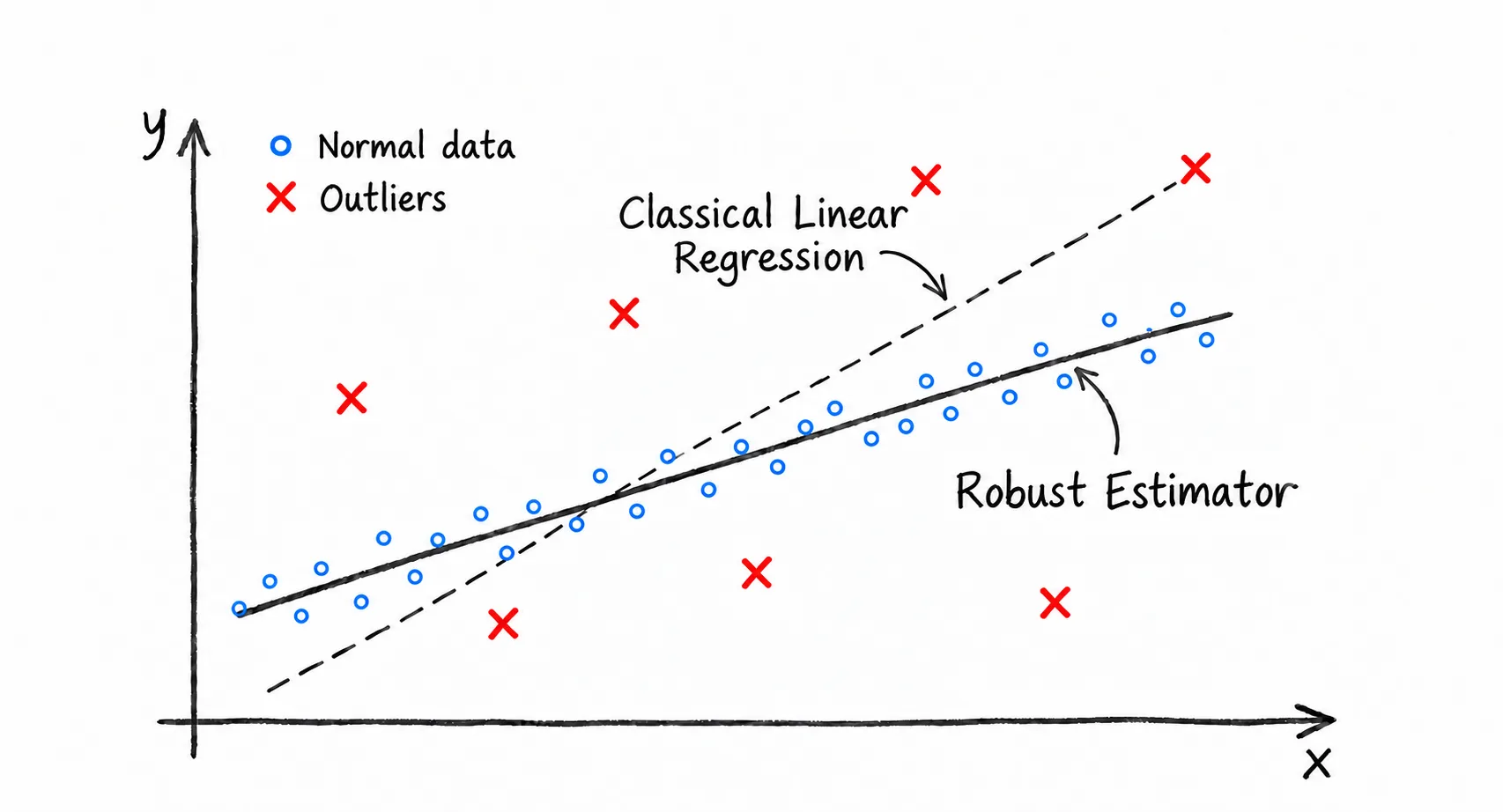
Robust Estimation Series: comparing classical and modern robust estimators through theory, code, and experiments
Robust Estimation Series: comparing classical and modern robust estimators through theory, code, and experiments
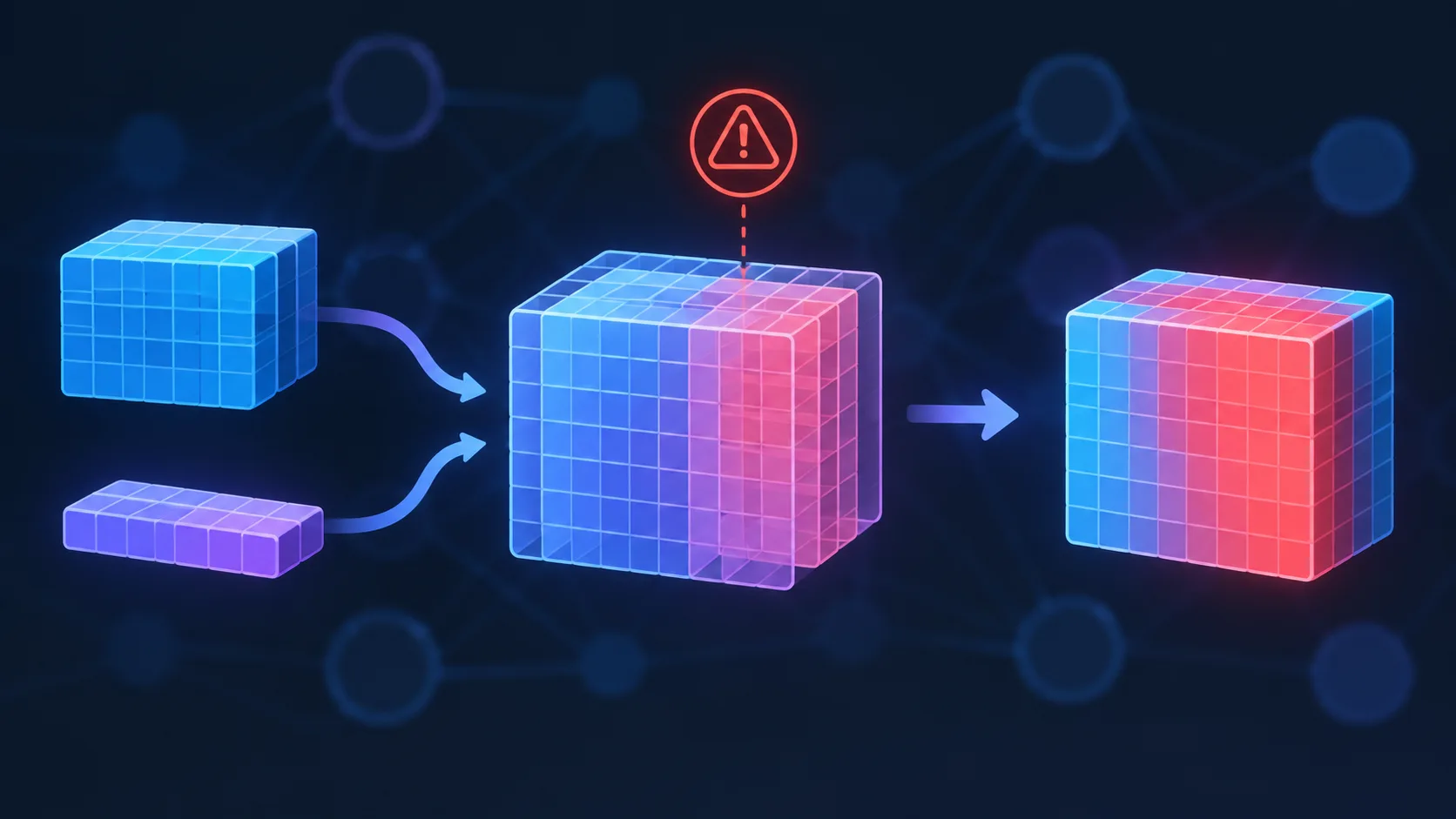
PyTorch and TensorFlow tensor broadcasting: how silent shape errors cause difficult-to-debug machine learning bugs

A VRAM budget formula for LLM serving, and three optimization strategies mapped to the traffic patterns that trigger the OOM.
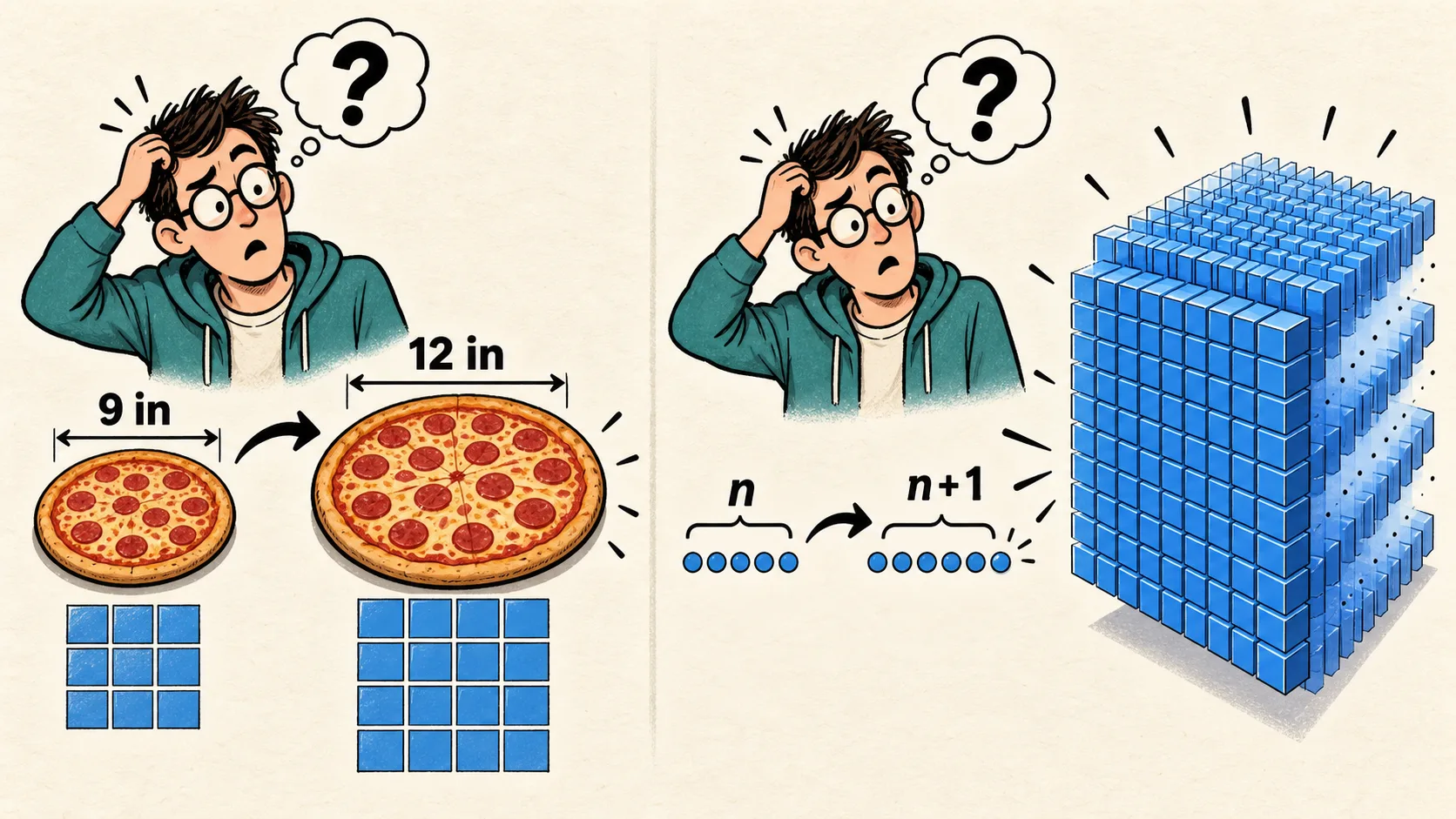
What ordering and not eating a large pizza tells us about ML memory management
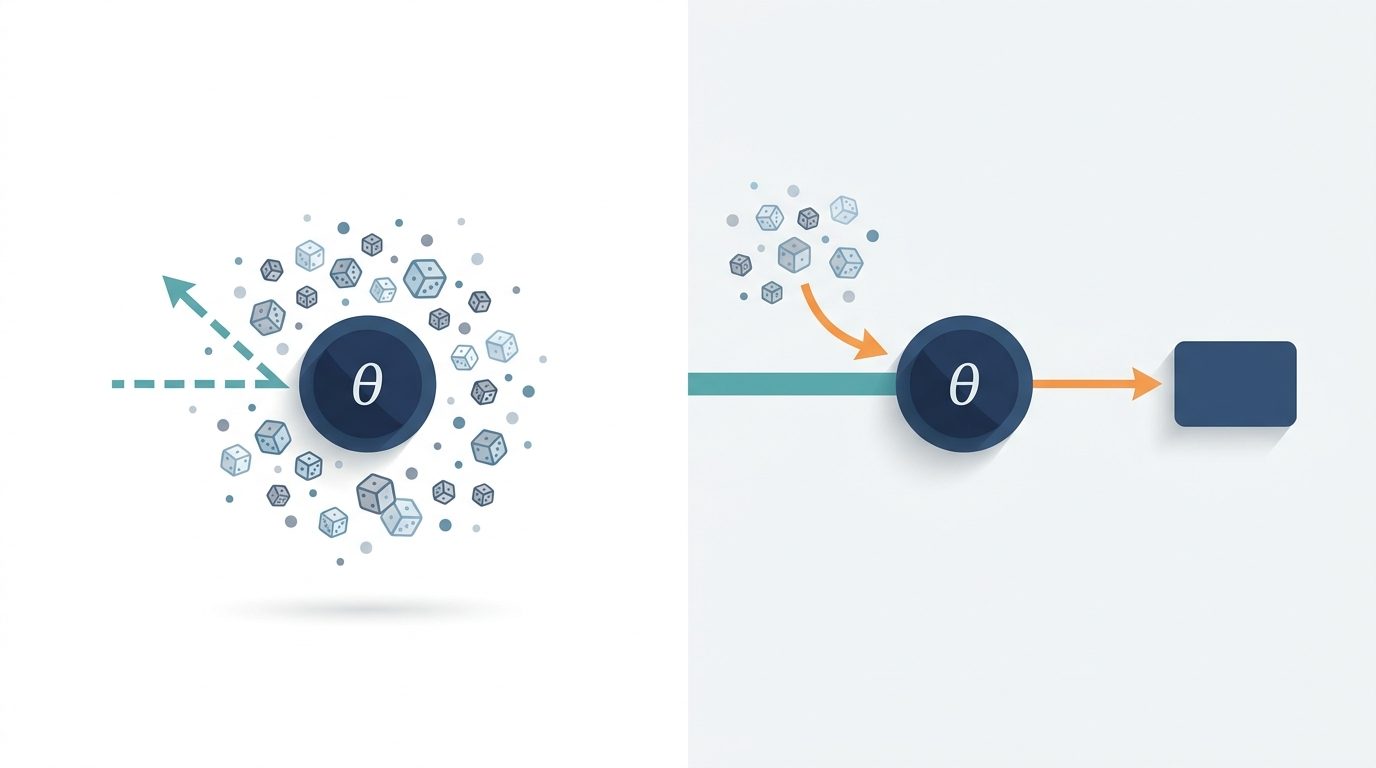
How moving randomness outside the computation graph turns noisy gradient estimators into low-variance, differentiable ones
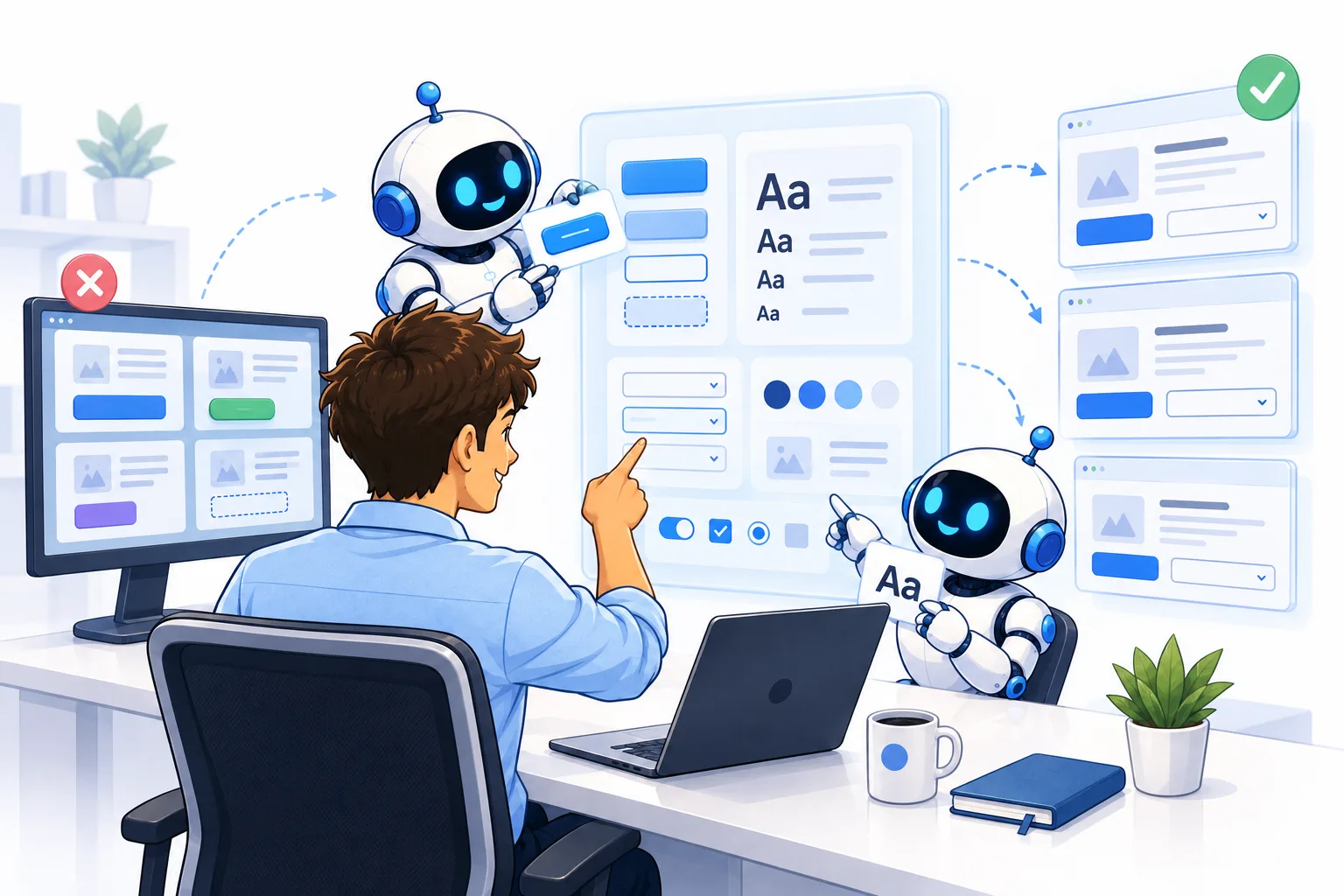
Keep your apps looking professional with Claude Code design skills
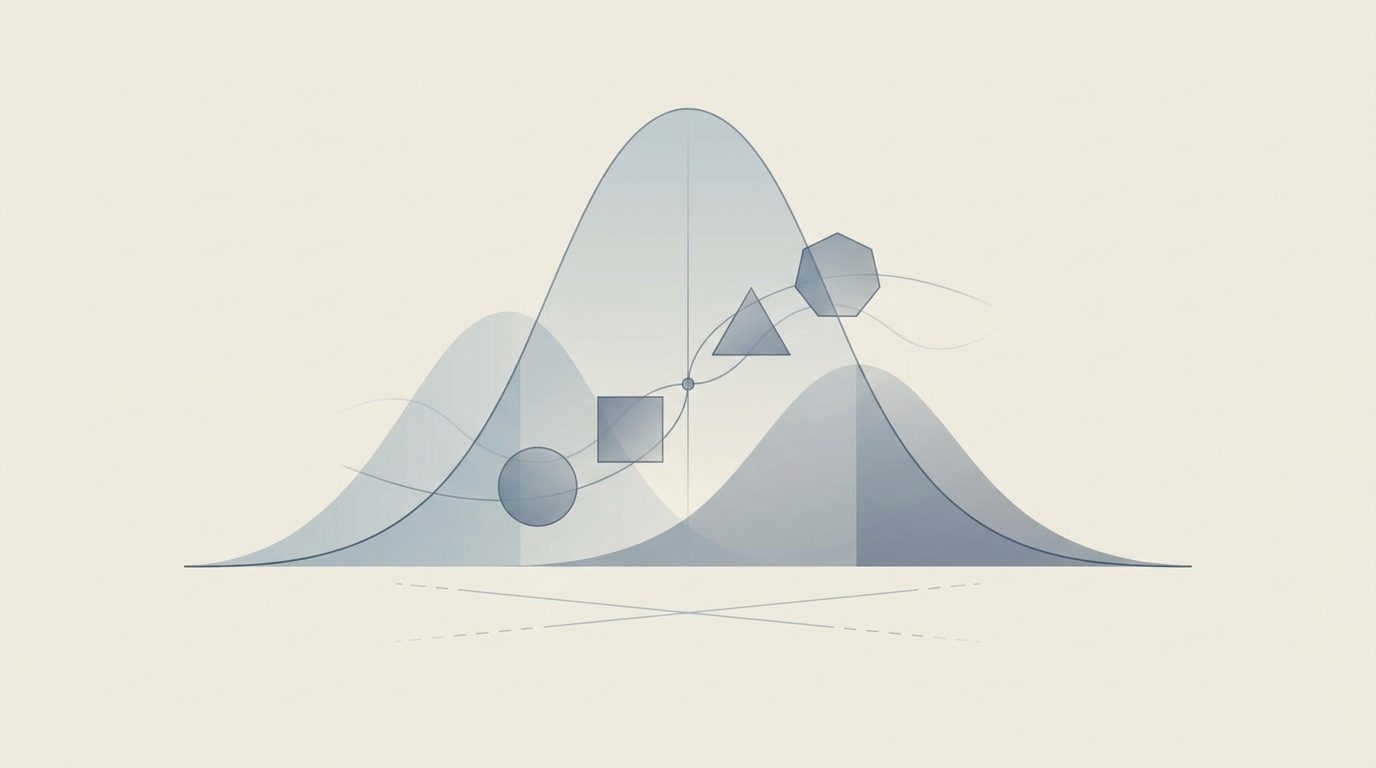
How statistical moments connect the mean, the variance, and higher powers of a distribution
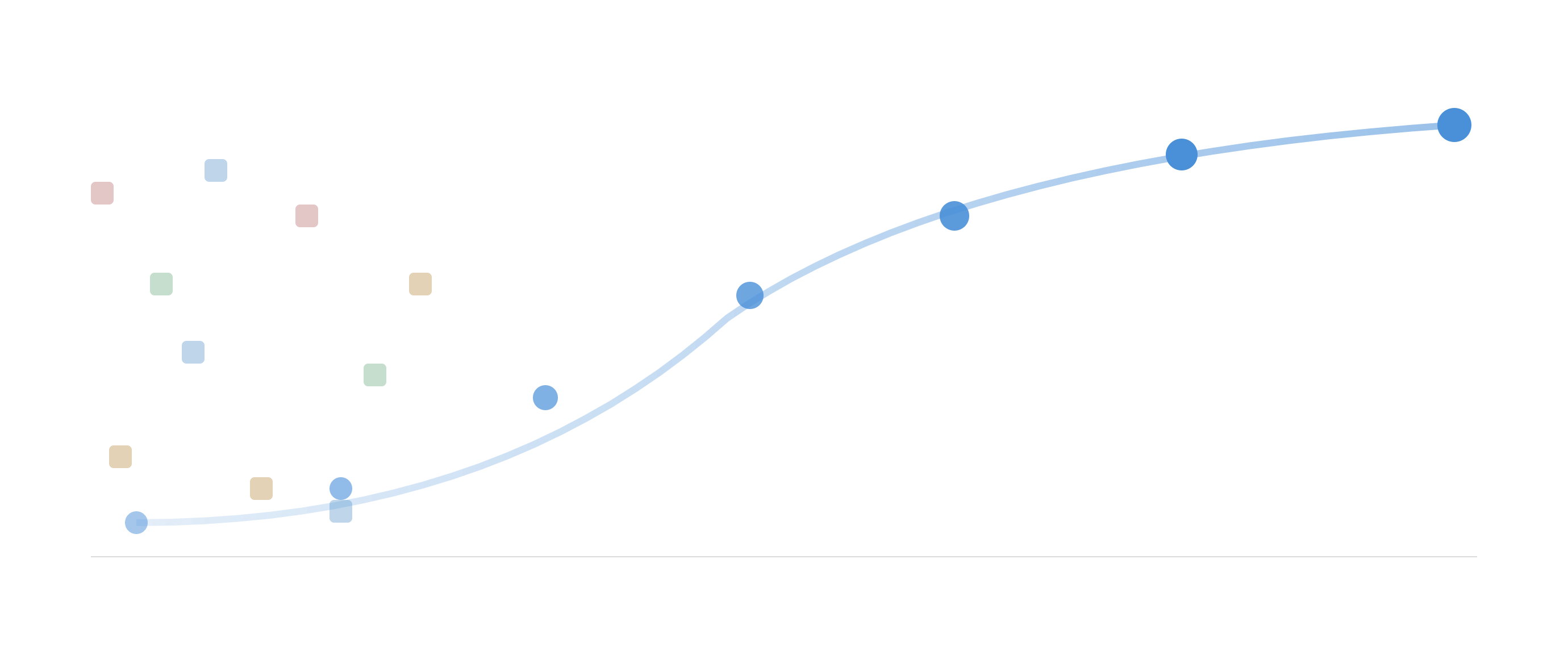
Before reaching for an LLM API on every classification problem, it's worth knowing what a decades-old baseline can already do with the labeled data you have — and exactly how much more data buys you.
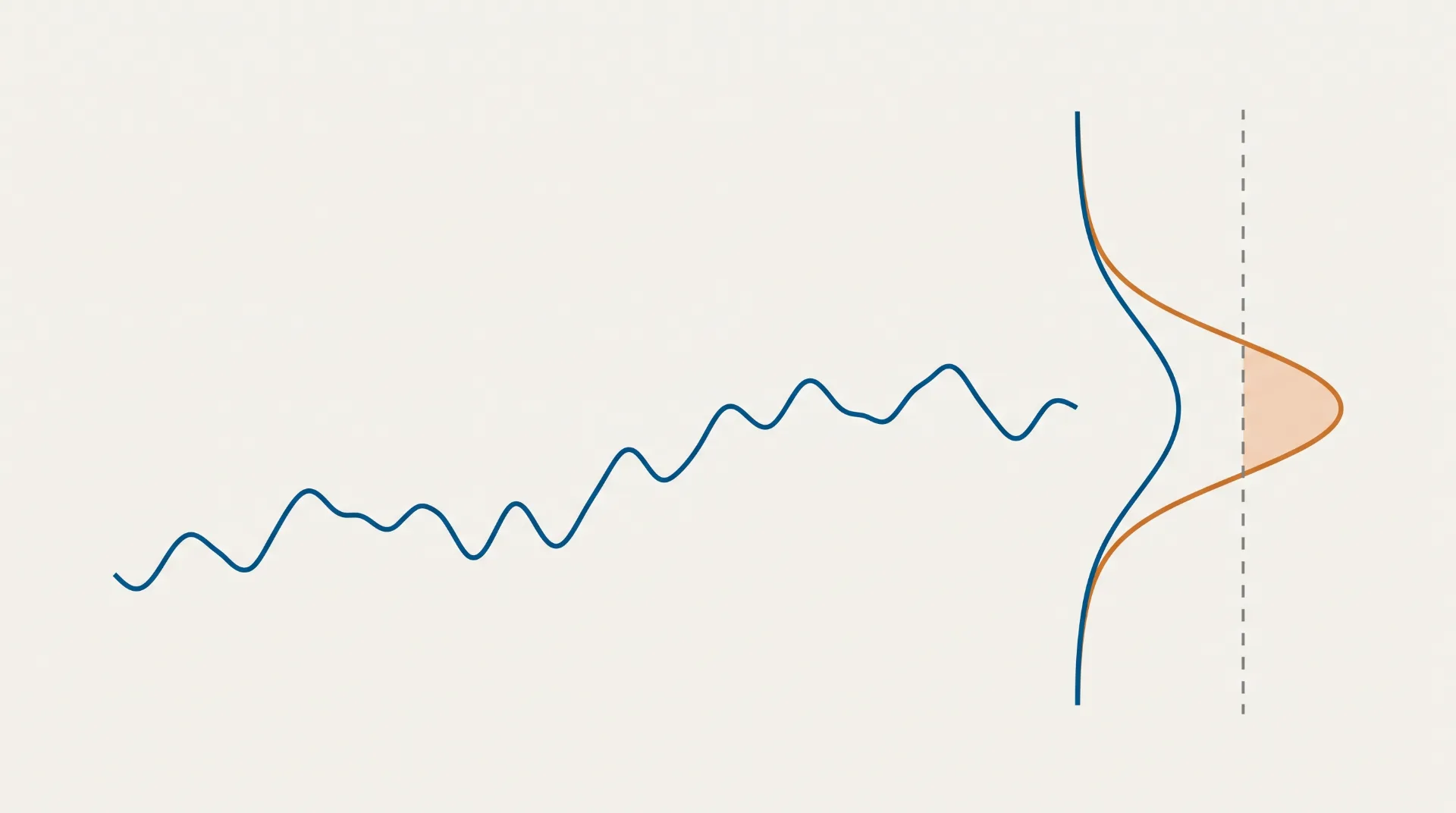
First in a series on probabilistic forecasting for physical signals. Next: what happens when you roll the forecast forward more than one step.

When Codex is the right shape for the problem, when Claude Code is, and how I split 5 specialist agents between them on dense AI capacity work.

A viral debate over loops versus graphs points to a bigger shift in how we build AI systems. Here’s what graph engineering actually means, how it differs from prompt, context, and loop engineering, and why it matters.
Robust Estimation Series: comparing classical and modern robust estimators through theory, code, and experiments
How moving randomness outside the computation graph turns noisy gradient estimators into low-variance, differentiable ones
A viral debate over loops versus graphs points to a bigger shift in how we build AI systems. Here’s what graph engineering actually means, how it differs from prompt, context, and loop engineering, and why it matters.
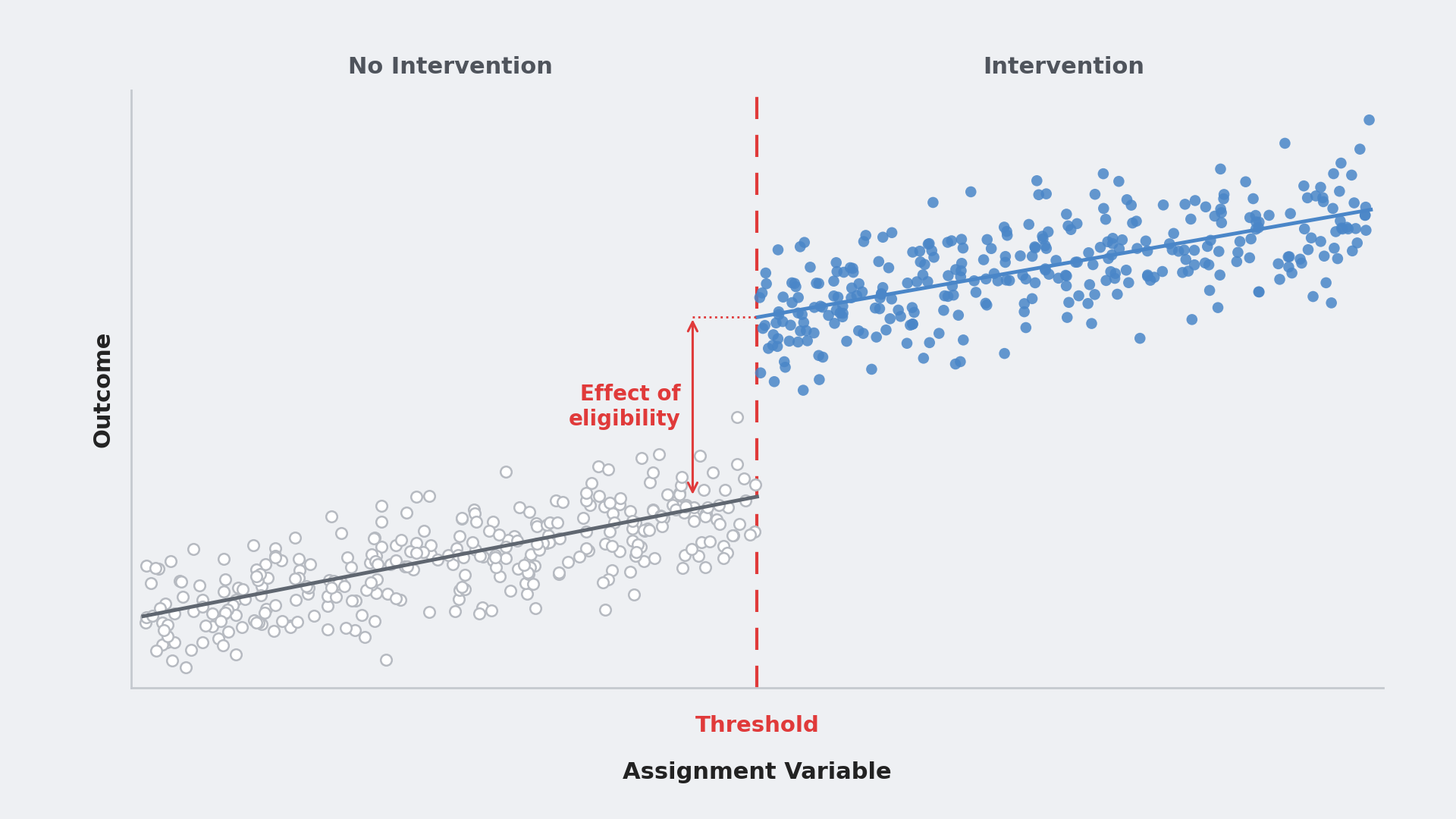
A practitioner's guide to estimating what an opt-in AI feature actually did, when nobody randomized it.

Why AI coding makes software design more important

Frequentist confidence intervals and Bayesian credible intervals answer different questions, and confusing them can distort product decisions

Sorting through the good, bad, and ambiguous aspects of vibe coding

Don't miss our most-read and -shared stories of the past month
How statistical moments connect the mean, the variance, and higher powers of a distribution
First in a series on probabilistic forecasting for physical signals. Next: what happens when you roll the forecast forward more than one step.
When Codex is the right shape for the problem, when Claude Code is, and how I split 5 specialist agents between them on dense AI capacity work.

Why the skill-inflation panic is aimed at the wrong thing, and what it costs to make agent knowledge a build artifact instead of a file.
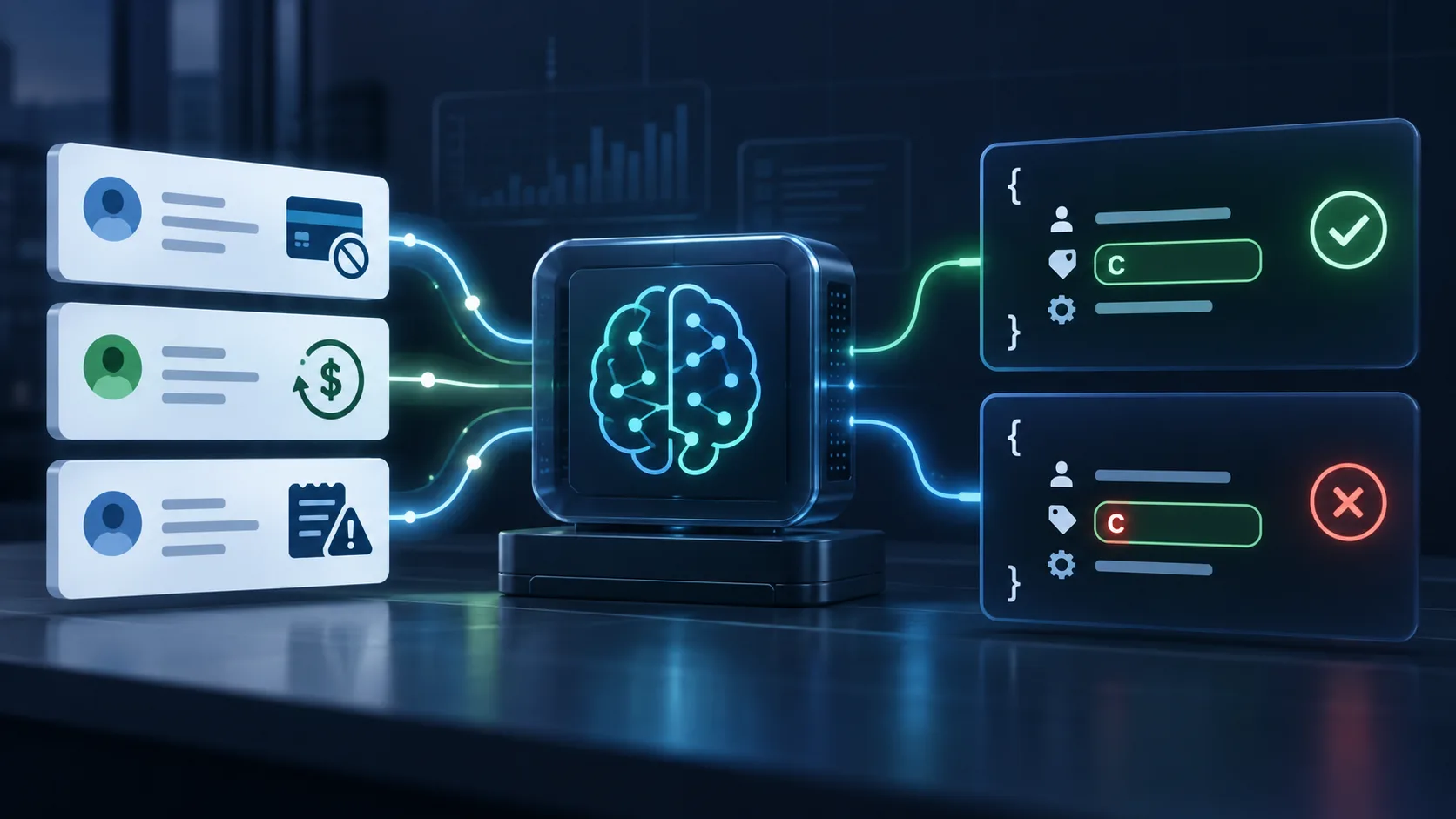
A real Weave project that regression-tests three OpenAI models against the exact reply format your app depends on.

I built a system that automatically discovers, verifies, and applies relevant requirements from earlier interactions without asking the user where they came from.